
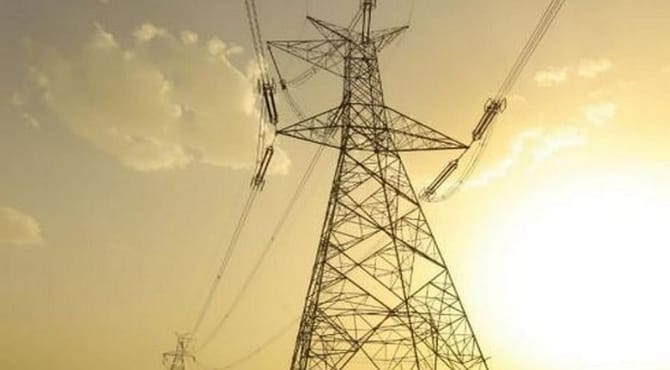
On May 20, the country’s peak power demand touched a record 260 GW during afternoon solar hours, marking the second consecutive day of record-breaking consumption. India is witnessing an unprecedented surge in electricity demand, and the reason is something most of us are feeling every day, the intense summer heat.
Just a day earlier, the demand stood at 257.37 GW, already higher than the previous record of 256.1 GW set in April. This rapid rise clearly shows how sharply electricity usage increases when temperatures soar.
If you think about your own daily routine, the reason becomes very relatable. Air conditioners running non-stop, fans at full speed, refrigerators working harder, and even increased water usage through pumps all add up.
Now imagine this happening across millions of households, offices, and industries at the same time. That’s exactly what is pushing India’s power demand to new extremes.
What is important, however, is that despite this massive demand, the system has largely held up. The Power Ministry confirmed that the peak demand of 260.45 GW was successfully met without major disruptions. This reflects better planning and coordination among power producers, grid operators, and distribution companies.
Real-time monitoring, efficient scheduling, and advanced resource planning have played a crucial role in ensuring that electricity reaches consumers when they need it the most.
Looking deeper into how this demand was met, coal-based thermal power continues to dominate India’s energy mix. Around 69 percent of the electricity supply came from coal plants, while renewable sources contributed about 28 percent.
This highlights a critical reality: while India is rapidly expanding its renewable energy capacity, it still heavily depends on coal to handle peak loads, especially during extreme weather conditions.
At the same time, there are signs of stress within the system. On May 18, there was a peak shortage of about 601 MW, and generation outages were reported at over 32 GW. This indicates that while the system is coping, it is operating close to its limits. Any unexpected disruption, whether due to fuel supply issues, technical faults, or weather events, could create challenges.
The role of weather cannot be ignored here. According to the India Meteorological Department, temperatures in many regions ranged between 38°C and 47°C, with several states experiencing heatwave to severe heatwave conditions. Regions like Uttar Pradesh, Rajasthan, Madhya Pradesh, and parts of Maharashtra were among the worst affected. Naturally, as temperatures rise, so does the dependence on electricity for cooling, making such demand spikes almost inevitable.
Even at the city level, the trend is clearly visible. Delhi, for instance, recorded its highest power demand of the year at 7,776 MW. Distribution companies like BSES and Tata Power-DDL managed to meet this demand successfully, showing that urban power networks are also being tested but are adapting with improved infrastructure and management.
So what does all this mean going forward? First, India’s electricity demand is not just growing, it is becoming more volatile and weather-dependent.
Second, while renewables are increasing, they are not yet sufficient to fully replace coal during peak hours. And third, the importance of grid resilience, storage solutions, and demand management is becoming more critical than ever.
For the average consumer, this situation is a reminder of how interconnected energy use is with daily life and climate patterns. For policymakers and planners, it is a signal that future energy strategies must balance sustainability with reliability. Because as summers get hotter, one question becomes more important: can the system continue to keep up with the demand?

