A mature state does not measure victory solely by the number of enemies it eliminates. It also asks a more difficult question: how can those who abandon violence return to normal life without humiliation, poverty or permanent suspicion? In long-running internal conflicts, this question is not peripheral, it is central.
Insurgencies endure not just because of ideology or weapons, but because they create a sense of inevitability. When cadres believe there is no safe or dignified exit, they remain within the movement longer, and the conflict hardens. Rehabilitation, therefore, is not a soft add-on to security policy. It is a strategic instrument.
In India’s fight against Left-Wing Extremism, this instrument is becoming increasingly relevant.
The data tells its own story. According to the Ministry of Home Affairs, incidents of Maoist violence have dropped sharply: from nearly 2,000 in 2010 to just over 200 in 2025. Fatalities among civilians and security forces have seen a similar decline. The geographical footprint of the insurgency has also shrunk dramatically, with only a handful of districts now classified as severely affected.
This changing landscape alters the psychology of the conflict. As insurgent space contracts, the state’s task is no longer only to pursue those who remain armed. It is also to create credible incentives for those willing to leave. Every surrender is not just the removal of an operative; it is the erosion of the insurgency’s aura of permanence.
India’s policy framework reflects this shift. The government’s surrender-cum-rehabilitation scheme is now explicitly framed as part of a broader conflict resolution strategy. Financial assistance, employment support, and incentives for laying down arms are designed to ensure that those who exit the underground do not drift back into it.
But surrender is not merely a legal act. It is a social transition. A former cadre must be separated from command structures, often relocated, provided financial stability, and integrated into a livelihood. Without this chain, surrender risks becoming temporary. Poorly executed rehabilitation can lead to recidivism or deepen local mistrust.
When done well, however, it sends a powerful message: the state is strong enough to absorb, not just punish.
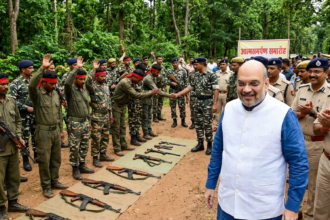
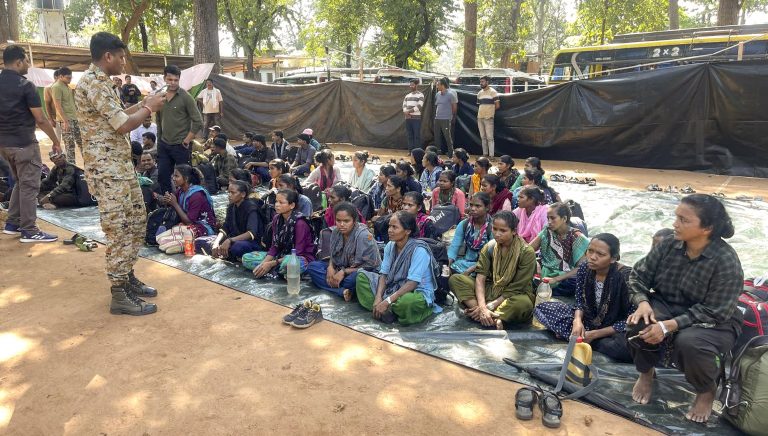
Recent trends suggest that this message is gaining traction. Instances of mass surrenders, including among senior cadres, indicate that the calculus within the insurgency is changing. Public initiatives that highlight reintegration, whether through community events or employment programmes, are attempts to reshape how surrender is perceived. It is no longer meant to signal defeat alone, but return.
This marks a departure from the older image of counter-insurgency as purely coercive. A conflict cannot end sustainably if the state offers only two outcomes: death in combat or exclusion after surrender. A confident republic must hold open a third path, i.e. reintegration under the law.
This does not mean abandoning accountability. Serious crimes must still be addressed. But it does mean recognising that not every participant in an insurgency is beyond recovery. Where reintegration is possible, it is preferable to endless cycles of violence.
The impact of rehabilitation extends beyond individuals. Each successful reintegration weakens the insurgency’s social base. It shows families and communities that life outside the movement is possible. It chips away at the perception that joining the underground is a one-way journey.
At the same time, the quality of rehabilitation matters more than the quantity of surrenders. Numbers alone can be misleading. The real test lies in outcomes: Are former cadres finding stable livelihoods? Are they protected from retaliation? Are they treated as citizens, not perpetual suspects? Are women and younger recruits receiving tailored support?
These questions will determine whether rehabilitation becomes transformative or merely symbolic.
The current phase of the conflict also presents a dual challenge. As the insurgency weakens, some cadres will surrender, but others may become more desperate and violent. The state must therefore maintain pressure on those who persist with arms, while widening the path for those willing to exit. These approaches are not contradictory. They reinforce each other – force raises the cost of staying, rehabilitation lowers the cost of leaving.
India’s anti-Maoist strategy has often been discussed in terms of operations, intelligence and infrastructure. But the endgame of such conflicts is rarely decided by force alone. It is shaped by the state’s ability to transform the conditions that sustain violence.
A rifle can secure territory. It cannot rebuild lives.
Rehabilitation, at its best, reflects a deeper confidence. It signals that the Indian state does not seek merely to eliminate insurgents, but to reduce the very appeal of insurgency. It is an effort not just to end violence, but to make its return less likely.
That is what makes it central to the final phase of this conflict.