
So, United States and Iran have agreed a peace deal. We still aren’t clear about the conditions of the peace deal and nobody knows how will things be any different now than from February 27, the day before US and Israel attacked Iran. But at least there is a peace deal and the world breathes a sigh of relief as it goes back to the scenario before the February 28 strikes.
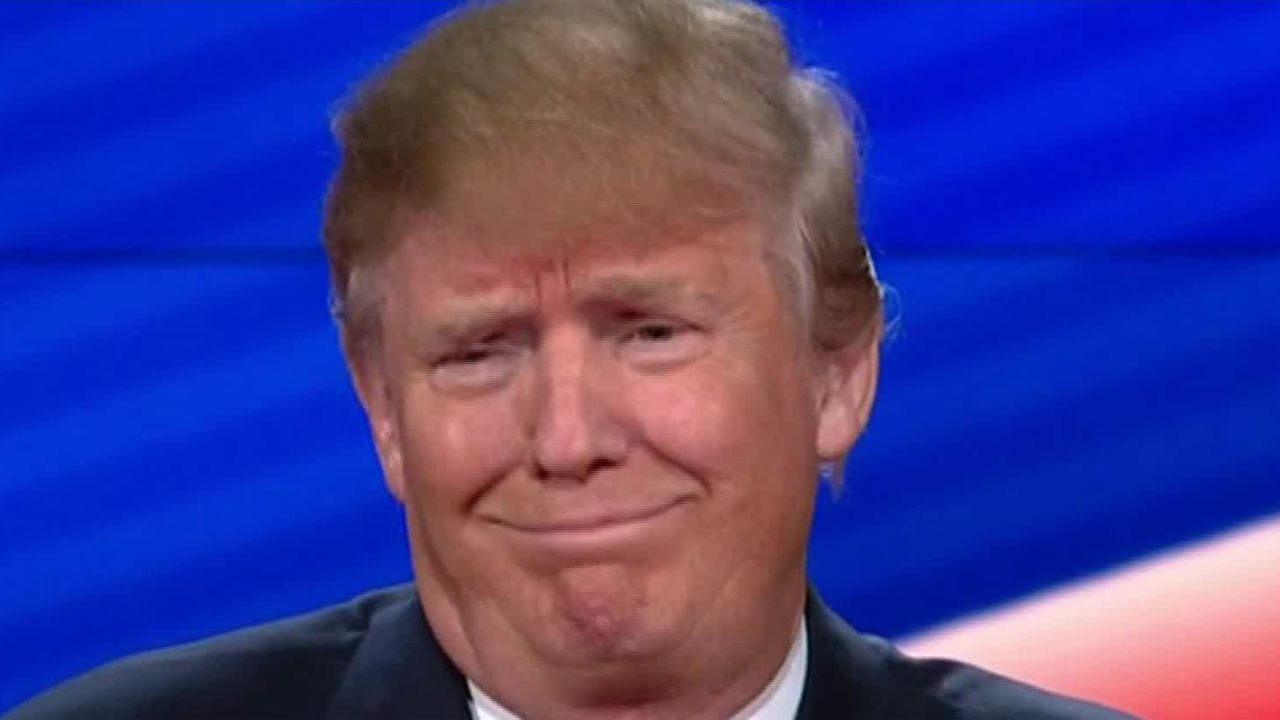
US President Donald Trump has declared the newly announced US-Iran peace deal a historic diplomatic breakthrough. Yet beyond the celebratory statements, a simple question remains: what exactly did the United States gain from this conflict that lasted over a 100 days. What was even the point of all this, except replacing one Ayatollah (who was anyway close to dying) with another Ayatollah.
That question is becoming increasingly difficult to answer because the details of the agreement remain largely undisclosed. Even lawmakers in Washington are as confused as the rest of us, arguing that there are still more questions than answers about the deal’s provisions and obligations.
The biggest source of controversy is the reported $300 billion reconstruction and development package linked to Iran’s post-war recovery. Various reports suggest that Iran could gain access to as much as $300 billion in investments and economic assistance if certain conditions are met. While US officials insist that this is not American taxpayer money and would largely come from Gulf Arab investors and private capital, critics argue that the practical effect is the same – Iran stands to receive a massive economic lifeline after emerging battered but unbroken from the conflict.
What then did Washington secure in return
Trump administration officials point to promises that Iran will never acquire nuclear weapons and that future negotiations will address uranium enrichment and verification mechanisms. However, the agreement appears to defer rather than resolve the nuclear issue. Questions surrounding Iran’s enriched uranium stockpile, future enrichment rights, inspection mechanisms and timelines for compliance remain unanswered. Indeed, the nuclear negotiations are only set to begin during the next phase of talks.
The reopening of the Strait of Hormuz is being presented as another major achievement. The waterway handles a significant share of global oil trade, and its closure had severely disrupted energy markets. Yet even here, uncertainty reigns. Officials have provided conflicting descriptions regarding whether passage will be entirely free, whether service fees could be imposed in the future, and how maritime security will be managed. And most importantly, the passage was open for everyone free of cost before US attacked Iran.
The deal also appears to offer Iran partial sanctions relief and potentially the unfreezing of assets, though the extent and timing remain unclear. Tehran would gain breathing room for its economy, increased oil exports and a chance to attract foreign investment. Meanwhile, it is less obvious what concrete concessions Washington has secured beyond promises of future negotiations.
To be fair, preventing another war in West Asia has value in itself. A reduction in military spending, lower energy prices and greater regional stability could ultimately benefit the United States and the global economy. If Iran genuinely abandons any pathway to nuclear weapons and normalizes relations with its neighbors, the agreement may eventually be seen as a success.
For now, however, the scoreboard appears heavily tilted toward what Iran may receive rather than what America has definitively secured. Until the full text is released and the nuclear questions are answered, people will continue asking whether Donald Trump achieved a historic peace—or merely handed Iran access to a potential $300 billion windfall in exchange for promises that are yet to be tested.

