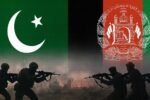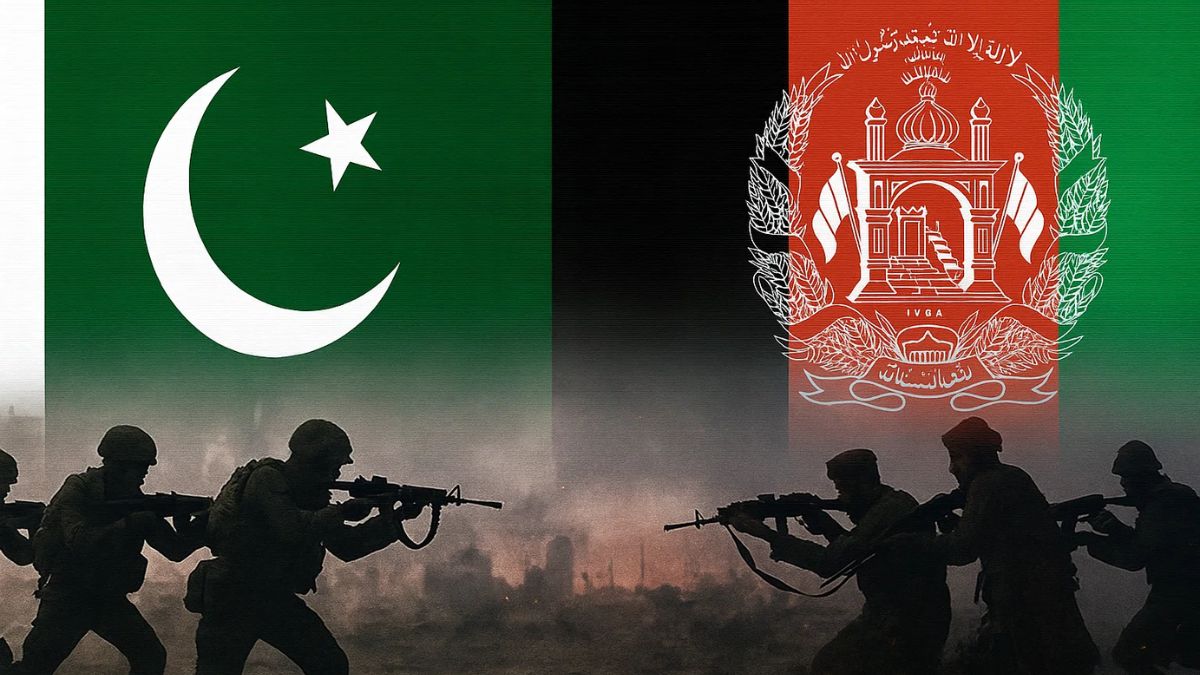
The negotiations between Pakistan and Afghanistan, facilitated by China, aimed to address bilateral issues and promote regional stability. The talks focused on counter-terrorism, economic cooperation, and the China-Pakistan Economic Corridor (CPEC) project, with Afghanistan seeking to join.
The talks are part of ongoing trilateral dialogue, with China mediating to improve relations between Afghanistan and Pakistan.
Positive signs have been observed in the ongoing negotiations between Pakistan and Afghanistan in China over the past week. The Chinese Foreign Ministry said in a statement that both countries have reached an agreement on finding a comprehensive solution to end the crisis.
Pakistan is apparently playing a role in establishing a ceasefire between the US and Iran, albeit unsuccessfully. Meanwhile, China has mediated between Pakistan and Afghanistan to resolve their ongoing dispute, making comprehensive efforts to facilitate talks between the two countries’ delegations.
While there have been previous talks between the neighboring countries, this round of efforts and negotiations is considered positive.
China has stated that negotiations between Pakistan and Afghanistan are progressing steadily, with both countries agreeing to seek a comprehensive solution to their differences under China’s mediation.
The Chinese Foreign Ministry said in a statement that Pakistan and Afghanistan have agreed to work towards resolving their issues through dialogue, focusing on bilateral relations, security concerns, and regional stability.
The talks, held in China’s Urumqi over the past seven days, involved delegations from Pakistan and Afghanistan. Chinese Foreign Ministry spokesperson Mao Ning said at a press conference, “Afghanistan and Pakistan have agreed on finding a comprehensive solution to the crisis that began last October.” She added that both countries have committed to avoiding steps that could further complicate the situation.
Pakistan’s “soft and tough” stance refers to its diplomatic approach of combining firmness on key issues with flexibility and engagement, particularly in negotiations with Afghanistan. This strategy involves, Asserting Pakistan’s interests and security concerns. Engaging in dialogue and cooperation on mutual issues.
Pakistan has not issued an official statement on the talks and has maintained silence. Pakistani analyst Hassan Khan told that the negotiations didn’t involve high-level officials, but visits by Chinese ambassadors to Kabul and Islamabad indicate goodwill.
Meanwhile, Pakistan’s Corps Commanders’ meeting stated that operations like “Ghazab-ul-Haq” will continue until terrorist sanctuaries in Afghanistan are completely destroyed.
According to analysts, Pakistan’s main demand is that anti-Pakistan activities be stopped from Afghan soil. The Taliban government has repeatedly stated that Afghan territory won’t be used against any country, and they won’t allow it to be used.
Afghanistan’s Taliban-led government says talks with Pakistan in China were positive, with progress made. Foreign Minister Amir Khan Muttaqi indicated that differences won’t hinder the dialogue process.
Qatar’s Taliban ambassador, Suhail Shaheen, said their information indicates the meetings were productive.
Afghan analyst Sami Yousafzai says that after Pakistan’s tough stance, both sides’ delegations showed a softer and more positive approach this time.
Though no official statement has been released, Pakistani analyst Rifat Orakzai says the week-long talks show both sides have detailed their positions.
Pakistan’s key demand is that Afghan Taliban officially declare TTP a terrorist group and shut its centers. Afghanistan’s Taliban government insists TTP is Pakistan’s internal issue, and they’ll define terrorism based on national interests, “not Pakistan’s demands to label someone a terrorist.”
Pakistan’s most key demand is that Taliban must accept the Durand line an international border but Amarat Islami did not accept this illegal demand.
The Afghan public both sides of the Durand line consider this line illegal and do not accept the Durand line as an international border.
By- Laiba Yousafzai