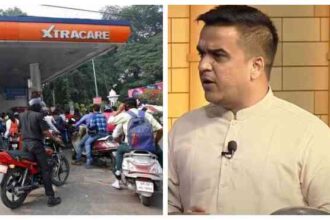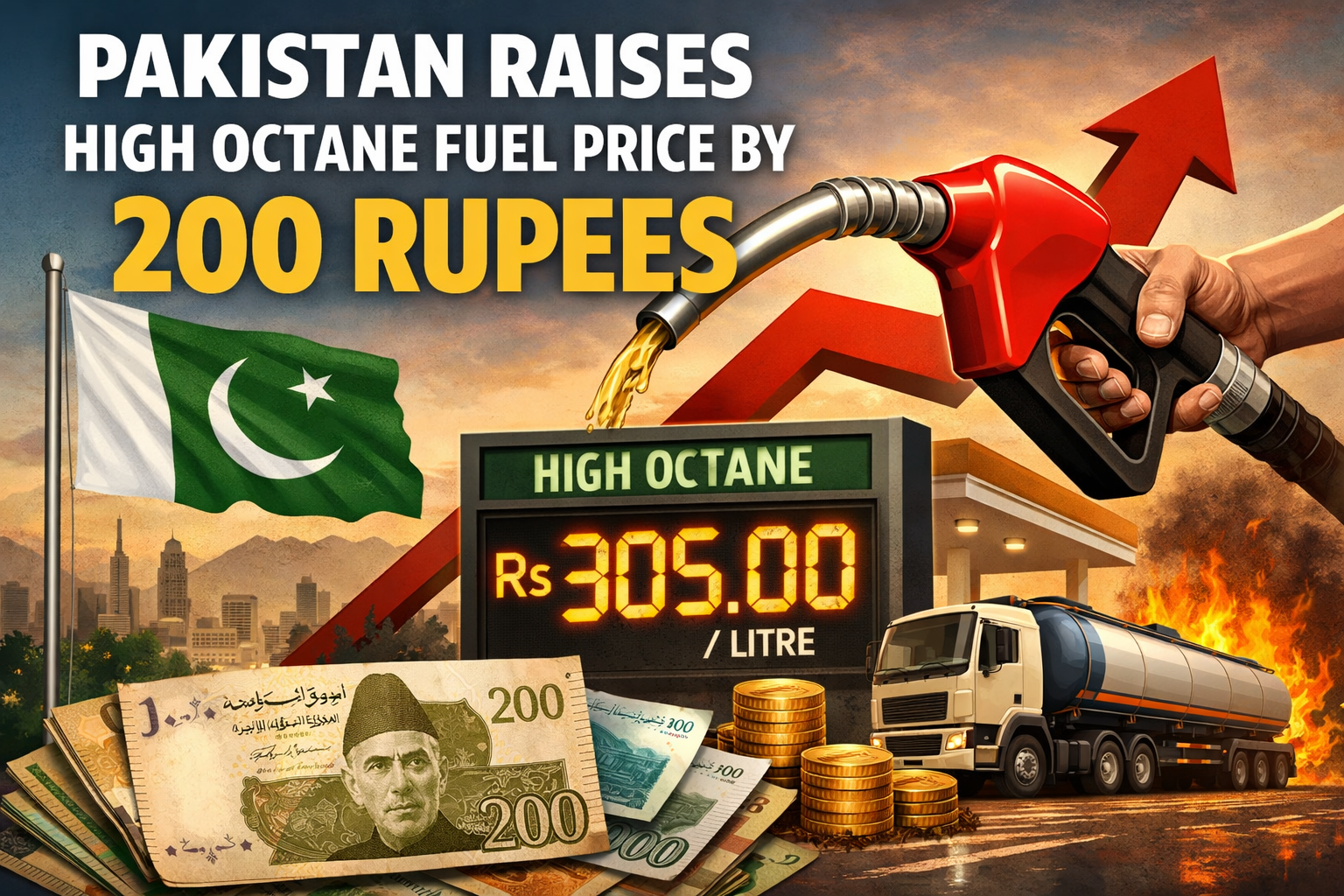
The Pakistani government has imposed an additional tax of Rs 200 per liter on high-octane fuel and banned its use in official vehicles.
This move is likely to increase the prices of petrol and diesel, affecting transportation costs and potentially impacting the economy.
These measures are part of the austerity drive announced by the federal government amid the ongoing Middle East conflict. The Prime Minister’s Office stated on X (formerly Twitter) on March 23 that if any official needs high-octane petrol, they’ll have to pay for it themselves.
Earlier, on March 22, Prime Minister Shehbaz Sharif decided to increase tax on high-octane petrol in a virtual meeting with ministers and officials. The PM’s office stated that the tax on high-octane petrol has been increased from Rs 100 to Rs 300 per liter.
This has pushed the price of high-octane petrol to Rs 535 per liter in Pakistan. High-octane fuel is used in luxury vehicles and some small aircraft. A day before the tax hike, Sharif had stated that the government had decided not to raise fuel prices.
He told the nation on March 21 that officials had proposed increasing petrol prices by Rs 74 and diesel by Rs 177 per liter, but the government decided against it considering people’s hardships during Eid.
Sharif added that the government is absorbing the impact of rising global fuel prices, allocating Rs 45 billion for this purpose. He said last week they spent Rs 24 billion to keep fuel prices stable.
This comes after the federal government increased petrol and diesel prices by Rs 55 per liter, citing rising global oil prices amid the ongoing Middle East conflict involving the US, Israel, and Iran.
Two days prior, Prime Minister Shehbaz Sharif announced a 14-point plan on March 9 to conserve energy and stabilize the economy, including measures like 50% work-from-home for government and private employees, and a four-day workweek for most offices.
By- Laiba Yousafzai