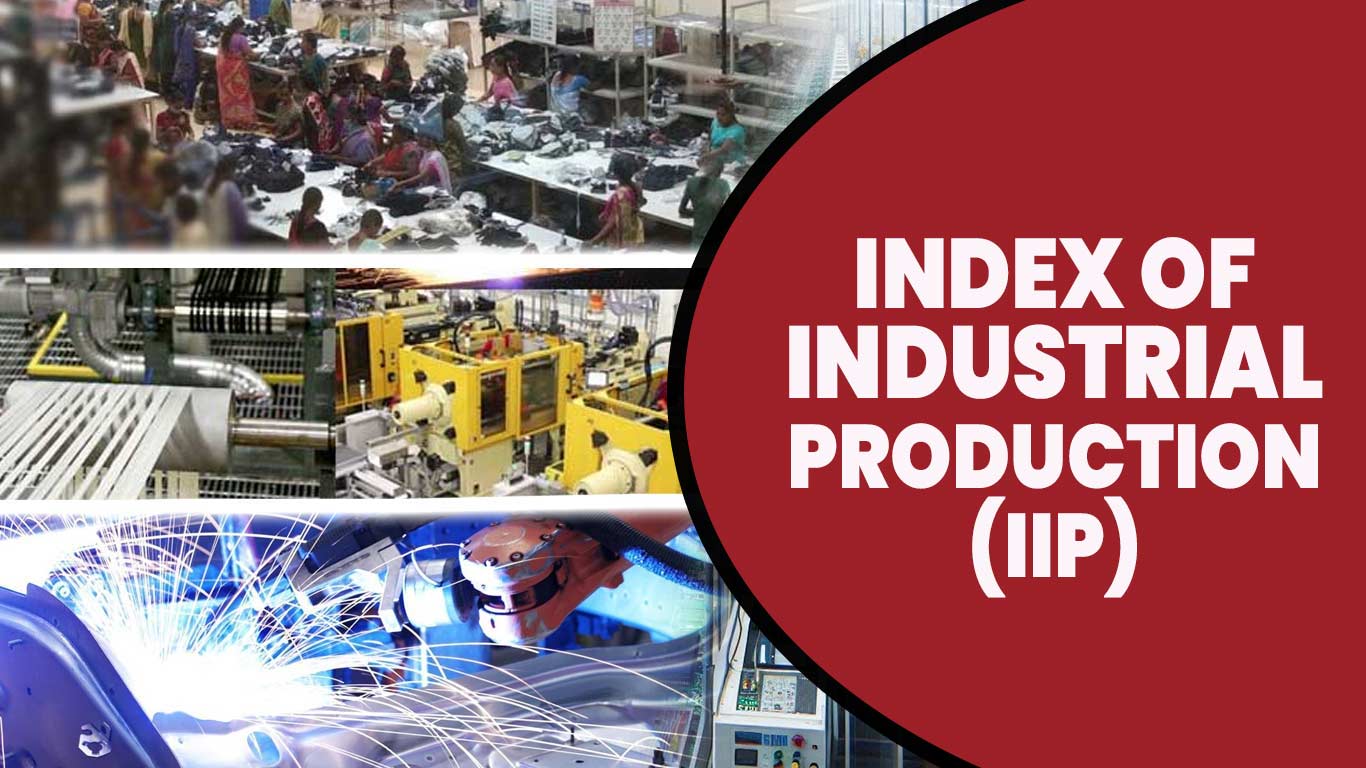
October had left India’s industrial story looking unusually quiet. The Index of Industrial Production (IIP)—a monthly “health check” of factories, mines, and electricity generation slipped to a 14-month low of just 0.5%. For many people, IIP can sound like a technical statistic, but its meaning is simple: when IIP rises, it suggests that more goods are being made, more raw material is being extracted, and more economic activity is happening across the industrial backbone of the country. When it slows sharply, it can feel like the economy is easing off the accelerator.
November, however, arrived like a sudden change of gear. Data released by the Ministry of Statistics and Programme Implementation (MoSPI) showed industrial output rising 6.7% year-on-year, the strongest pace in 25 months. The rebound wasn’t powered by one small pocket of activity; it looked broader and more confident, especially in manufacturing, which grew 8% and also hit a 25-month high. Think of it like a marketplace that looked sluggish in October but suddenly buzzed again in November, with shops restocking shelves and suppliers moving goods faster to match demand.
One reason this jump looked so dramatic was the base effect—basically, November’s growth is measured against last year’s November, and if last year’s number was lower, this year’s rise looks bigger. But the story was not only statistical. A very real push came from restocking after heavy festive-season sales. After big shopping weeks, businesses often need to refill inventories—more vehicles roll out, more packaged goods get produced, and more supply chains move. That replenishment cycle can quickly lift factory output, and November’s figures suggest exactly that kind of catch-up and refill across several categories.
Manufacturing’s lift was supported by strong performance in key segments like basic metals and fabricated metal products, pharmaceuticals, and motor vehicles. These aren’t niche items; they are the kinds of products that sit at the center of the economy. Metals feed construction, infrastructure, and machinery. Pharmaceuticals reflect steady demand at home and abroad. Motor vehicles often serve as a confidence indicator—when vehicle production rises, it typically means companies are expecting buyers, whether individual consumers or businesses expanding fleets.
Mining also brought a more cheerful note in November, growing 5.4% after months of weather-related drag. MoSPI pointed out that mining rebounded as the monsoon season ended and activity normalized, with metallic minerals such as iron ore showing strong growth. In plain terms, heavy rains can slow mining operations, disrupt transportation, and reduce output. When those conditions ease, mines can work longer and more consistently, and the rebound shows up quickly in monthly data. This matters because mining feeds manufacturing; raw material availability influences how smoothly factories can run.
Electricity, though, remained the weak spot. Power generation fell 1.5% in November compared to the same month last year, after shrinking even more sharply—6.9%—in October. MoSPI’s data also noted that cooler temperatures after good rains affected electricity demand and generation. For everyday readers, the takeaway is straightforward: when weather reduces the need for cooling, electricity demand can soften, and that can pull down this part of IIP even if factories and mines are doing better.
Looking at the longer stretch of the fiscal year adds nuance to the November celebration. Overall industrial production rose 3.3% during April–November, lower than the 4.1% growth seen in the same period of 2024–25. Manufacturing output grew 4.4% in April–November, while mining output was down 0.9% and electricity generation fell 0.2% in the first eight months of the current fiscal. So November is a bright month, but the year-to-date picture still shows that some parts of industry have been carrying extra weight from earlier slowdowns.
Policy-makers will still welcome November’s momentum because it arrives amid widespread talk of a second-half slowdown in 2025–26. High-frequency signals after the July–September quarter had hinted at softer conditions. Core industries—coal, crude oil, natural gas, refinery products, fertilisers, steel, cement, and electricity—offer one of those key early signals because they make up around 40% of IIP. That core sector had contracted 0.1% in October before returning to 1.8% growth in November, aligning with the broader rebound in IIP and suggesting that industrial activity may have found firmer footing.
The goods-based breakdown also tells an interesting story about what exactly powered November. Consumer non-durables swung sharply—from a 5.2% contraction in October to 7.3% growth in November—despite an unfavourable base effect. This category includes everyday items people buy often, and a turnaround here can indicate that demand is not limited only to big-ticket purchases. At the same time, the other five categories—primary, capital, intermediate, infrastructure, and consumer durables—all grew in November versus last year, aided by a favourable base.
Capital goods rose 10.4%, infrastructure goods climbed 12.1%, and consumer durables increased 10.3%, while intermediate goods grew 7.3% and primary goods rose 2%. Notably, this was only the second time in 2025 that all six goods categories posted year-on-year growth together, a sign of broad-based improvement rather than a one-sector spike.
Still, the big question is what happens next. Economists have widely predicted cooling in the second half of 2025–26 after GDP growth surprised on the upside at 8% in the first six months. The RBI has already raised its 2025–26 growth projection to 7.3% from 6.8%, while expecting quarterly growth to ease from 8.2% in July–September to 7% in October–December and 6.5% in January–March 2026.
In that context, November’s 6.7% IIP reading works like a reassuring pulse—strong enough to calm nerves, but not enough on its own to declare victory. The next few months will decide whether November was a one-off burst powered by base effects and restocking, or the start of a steadier industrial run.