
Society is a bed of contradictions and conflicts, some lasting and others temporary. Not all contradictions and conflicts are considered class or social divisions, but those that persist or are perceived to have a long-term impact on society can be termed as such.
If conflicts arise and resolve quickly without a structural basis, they’re not considered social divisions. There are two types: temporary conflicts over specific issues, and long-term ones rooted in societal structure, influencing politics and other aspects.
Social divisions are a reality of every society, sometimes active, sometimes dormant, sometimes long-term, and sometimes short-term. There are two perspectives on eliminating social divisions: one advocates for rapid, radical change through revolution, while the other suggests accepting them as social realities and working gradually to reduce or eliminate them through reform.
The reformist approach might be more effective, as revolutions can create new divisions while eliminating old ones, whereas reforms are gradual and adapt to societal capacity.
Often, social divisions and social differences are not distinguished in political circles. Not every difference is a division, social divisions have specific characteristics. According to Lipset and Rokkan, social divisions should have three characteristics to be considered as such, distinguishing them from mere differences.
According to Lipset and Rokkan, social divisions require:
Fundamental difference: A structural and noticeable difference between groups.
Conscious and identity-driven effort: Groups become aware of differences, leading to an “us vs. them” mentality.
Organizational effort: This leads to organizational or party-based mobilization, with groups opposing each other.
Types of social divisions
When analyzing social divisions and gaps, geographical and historical differences should be considered. Social divisions and gaps aren’t always the same, they can change based on various historical and geographical factors and be influenced by different factors. There are inherent differences within society that create human conflicts.
These differences emerge sometimes structurally and sometimes randomly, sometimes active and sometimes dormant. Social divisions can be categorized in two ways: structurally vs. randomly, and active vs. dormant.
Structural divisions arise from complex societal structures, are long-term, and create conflicts, like class divisions based on labor division or gender differences. Random divisions are context-specific, not inherent to all societies, and can emerge and fade, like ethnic, linguistic, or regional divisions.
Structural divisions arise from long-term human differences or societal norms, and are common to most societies. Random divisions, however, emerge in specific contexts like war, occupation, or economic conditions, and fade when those conditions change. These aren’t universal and vary across societies.
Social divisions can also be categorized as active, semi-active, or dormant. Active divisions influence current politics and shape political awareness. Active divisions stem from current or past societal conditions. Semi-active divisions fluctuate between active and dormant states, while dormant divisions don’t currently impact politics but may have in the past or could in the future. Sociologists study all divisions, but political sociology focuses on active ones influencing current politics.
No society is without social divisions. Divisions arise from labor division, gender, lineage, language, ethnicity, religion, race, etc. Some are active, some were active and are now dormant, and others may become active in the future.
Some divisions are structural and planned, like labor division or gender differences, while others emerge randomly. Examples include divisions based on age or societal roles.
Social divisions without political impact aren’t typically studied in political sociology. For example, in traditional societies where women’s roles are subordinate, their divisions might not be considered politically significant.
In industrialized societies, women’s autonomy makes their divisions politically significant, and they’re studied in political sociology. European women’s struggles for political rights led to voting, candidacy, and equal rights.
Divisions based on age or generation gaps impact politics. In traditional societies, age-based hierarchies minimize these gaps, but in industrialized societies with rapid social changes, generational divisions are more pronounced.
In societies with older populations, people tend to be more conservative, valuing tradition and gradual change. In contrast, younger populations often drive more radical change, seeking progress and new ideas.
Some social divisions stem from a country’s historical context, shaped by societal changes. Positive changes can weaken these divisions, while negative reinforcement strengthens them. Examples include religious, linguistic, racial, and ethnic divisions, shaped by historical and structural factors.
Some social divisions have far-reaching impacts, shaping global history. The separation of church and state in Europe, for example, led to secularism and influenced societies worldwide.
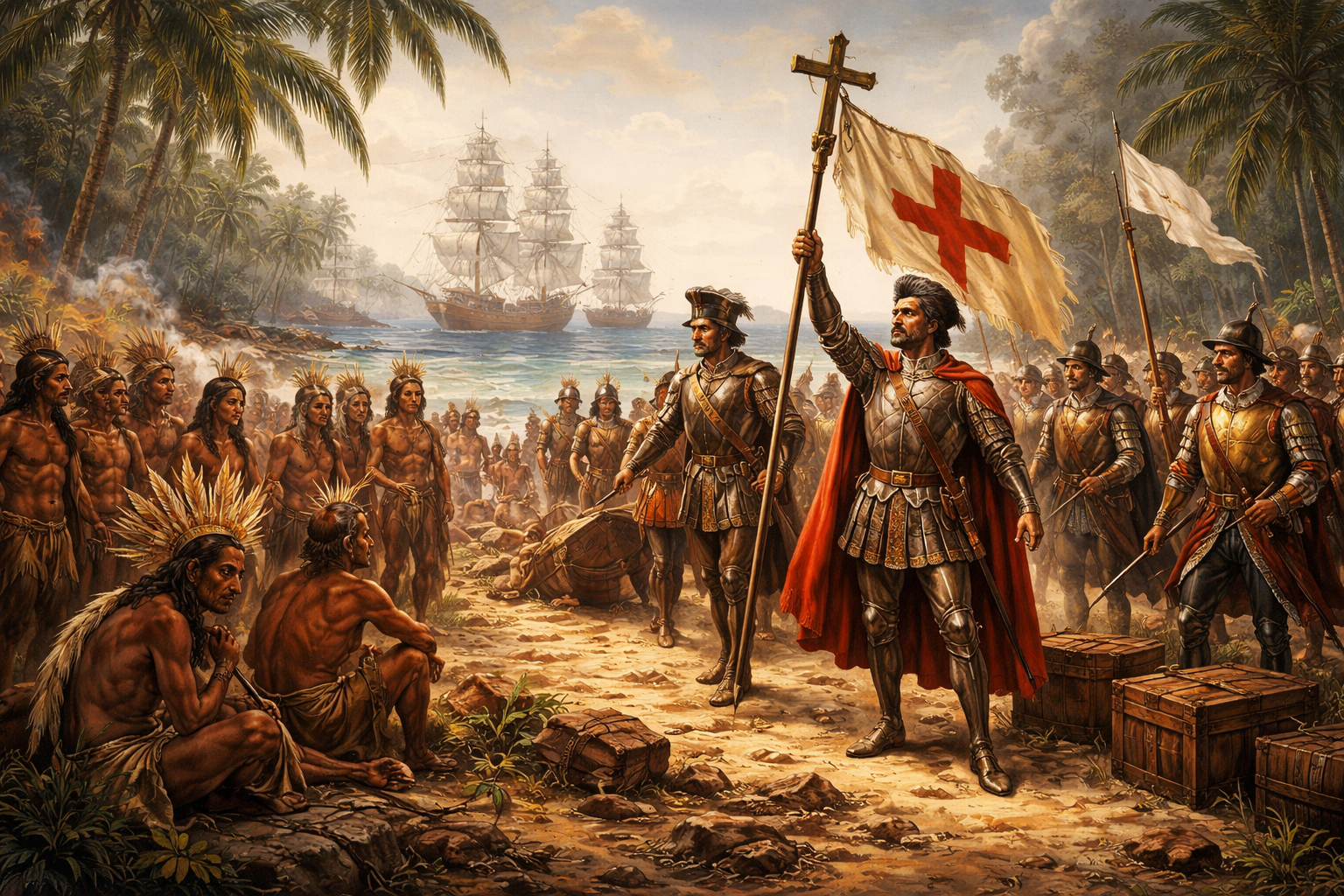
Colonial strategies in the 19th and 20th centuries involved creating social divisions in colonized countries, dividing people along identity lines. This approach has left lasting impacts, with old divisions still influencing internal conflicts in some countries.
In countries like Afghanistan, politics often revolves around ethnic, religious, linguistic, and geographical identities, with power struggles driving resource distribution rather than societal progress.
Some colonial strategies for creating divisions include:
Creating separate identities.
Fostering rivalries between groups, Prioritizing certain groups over others.
One colonial strategy was the rigidification of identities to freeze social divisions. Before colonization, people often had multiple, fluid identities. Colonizers simplified and solidified these into rigid categories to maintain control.
Before colonization, identities were fluid, but colonizers solidified them through censuses, maps, and museums, making it hard for people to change or have multiple identities. This created divisions that persist today.
Colonial powers used administrative tools like censuses, maps, and museums to shape identities and control populations. Censuses categorized people, solidifying identities, while maps created artificial borders, dividing communities like the Pashtuns with the Durand Line.
Colonial powers used museums to solidify identities, presenting themselves as cultural preservers while reinforcing created identities. This entrenched identity differences, sowing seeds for post-colonial conflicts.
Colonial powers created reinforcing cleavages by allocating economic and political power to specific ethnic or religious groups, marginalizing others. This fueled tensions and conflicts, making dialogue difficult and war more likely. Societies with such histories often remain divided.
Colonial powers created ethnic hierarchies, giving power and resources to specific groups while marginalizing others. This led to entrenched divisions, with dominant groups seen as superior and subordinate groups as inferior.
In societies with cross-cutting social divisions, dialogue is possible, reducing conflict risk. But when divisions become reinforcing, even small issues can escalate, and violence becomes more likely. Colonial powers used social engineering, like the “Divide and Rule” strategy, to create divisions and maintain control. They assigned racial identities, created differences, and manipulated histories to justify dominance.
Colonial powers employed strategies to maintain control, including favoring minority groups and creating divisions. They granted privileges to minorities, empowering them with power, wealth, and education, while marginalizing majorities. This led to resentment and conflict, as seen in Rwanda’s 1994 genocide.
Colonial powers also created governments disconnected from their people, resulting in “stateless nations” and “nationless states”, the good example is the state of Pakistan.
These strategies included dividing populations into “native” and “settler” groups, creating historical narratives to justify dominance, and fostering suspicion between groups. This led to long-term conflicts and social divisions. By this way the colonizers ruined the historical nations for example Afghans Pashtuns in recent era.
By- Laiba Yousafzai

