
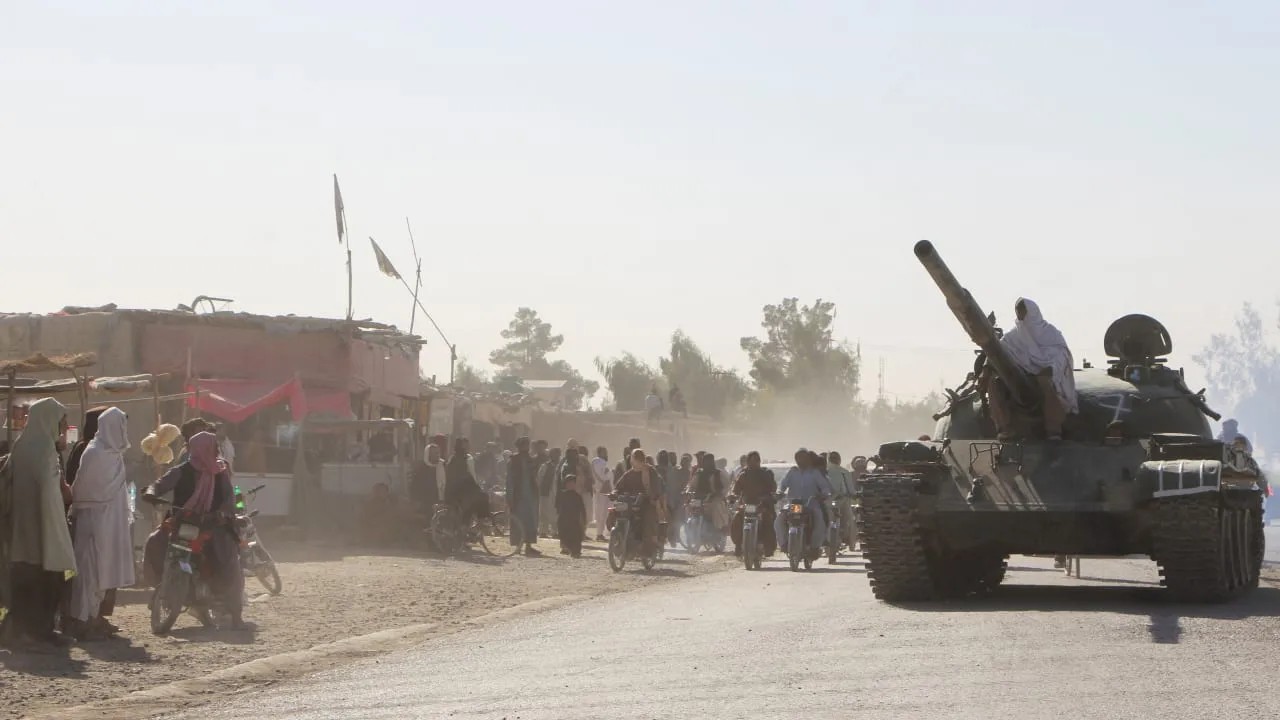
Pakistani government has reportedly agreed to halt attacks on Afghanistan after it consulted its friendly countries.
The move comes amid escalating tensions between the two nations, with both sides trading blame for recent border clashes and air strikes.
The situation remains fluid, with reports indicating that Pakistan had previously launched air strikes on Afghanistan, targeting areas allegedly used by militant groups, including the Tehreek-e-Taliban Pakistan (TTP). Afghanistan’s Taliban government has denied these allegations, stating that Pakistan’s actions are aimed at destabilizing the region.
Khyber Pakhtunkhwa Governor Faisal Karim Kundi says the ceasefire between Pakistan and Afghanistan’s Taliban government has ended, but bombing has been halted “on the advice of friendly countries”.
Kundi warned at a press conference in Peshawar on March 26 that Pakistan will still conduct “operations” inside Afghanistan “based on intelligence inputs”. He added that Qatar and Turkey have tried to broker a ceasefire between Pakistan and Afghanistan, but Islamabad has made it clear that the Taliban government must take action against Pakistani militants.
The Taliban government hasn’t commented on Kundi’s latest remarks yet, but previously denied providing safe havens to militants and stated they want good relations with Pakistan.
Kundi also mentioned the continued closure of border crossings with Afghanistan, saying Torkham and Chaman crossings are open for Afghan repatriation but closed to people and trade.
There are 28 border crossings between Pakistan and Afghanistan, which have been closed since October 2025 following clashes and cross-border attacks between forces on both sides. Kundi made these remarks as the five-day Eid ceasefire between Pakistan and Afghanistan ended around midnight on March 23.
Earlier, tribal elders from Kurma and Paktia had urged Pakistan and Afghanistan’s Taliban governments to make the temporary ceasefire permanent. Pakistan has been bombing Kabul, Nangarhar, Paktika, Khost, and Kunar since late February. In response, Taliban government forces have launched drone attacks on Pakistan and engaged in clashes with its security forces.
The Afghanistan-Pakistan clashes started on February 21 after Pakistan’s military launched air strikes and heavy weapon attacks on areas in Nangarhar and Paktika, prompting the Taliban to retaliate with attacks on Pakistani posts along the Durand Line.
On March 16, around 9 pm, hundreds were killed in a Pakistani military attack in Kabul. Taliban government spokesperson Abdulmatin Qanih said at a press conference on March 17 that the Pakistani air force bombed a drug addicts’ hospital, killing 408 and injuring 265.
He added that around 3,000 people from various provinces and Kabul were being treated at the “Ameed” hospital. However, Pakistan’s Information Minister Attaullah Tarar claimed on X on March 17 that the military targeted “military installations and terrorist hubs operating under the Taliban government’s support” in Kabul and Nangarhar provinces.
Later, on March 18, Pakistan’s military spokesperson, General Ahmed Sharif Chaudhry, also claimed in a media interaction that they targeted a “weapons storage facility” in the attack.
However, several international humanitarian organizations, including the UN and Amnesty International, have stated that the attack targeted a drug addiction treatment center, killing hundreds.
On March 19, Amnesty International issued a statement calling for an impartial and independent investigation into the deadly attack, but Islamabad hasn’t responded.
The UN Office for Human Rights also reports that before the Kabul hospital attack, at least 289 Afghan civilians, including 104 children and 59 women, were killed or injured in clashes between Pakistan and Afghanistan since late February, and tens of thousands have been displaced due to the fighting.
Additionally, Taliban attacks have also caused casualties among civilians on the Pakistani side of the Durand Line, displacing over 3,000 people. The Pakistani government has repeatedly accused the Taliban of providing safe havens to anti-Islamabad militants, including the Tehreek-e-Taliban Pakistan (TTP).
The Taliban government has repeatedly stated that Afghanistan’s soil won’t be used against any neighboring country, including Pakistan. The TTP itself claims its militants are in Pakistan and don’t need safe havens in another country.
By- Laiba Yousafzai

