Indian opposition is known for spreading fake news, misleading information, half-truths, and sometimes outright lies. This tendency to spread falsehoods really comes to the fore during any war in the world. The war between US and Israel vs Iran has given them a great opportunity to do so and PM Modi’s opponents are trying their best to exploit it to the maximum.
India is running out of Oil, India is running out of Petrol, India is running out of Diesel, India is running out of LPG, all these rumours have been spread over the past few days. However, the truth is far from these claims.
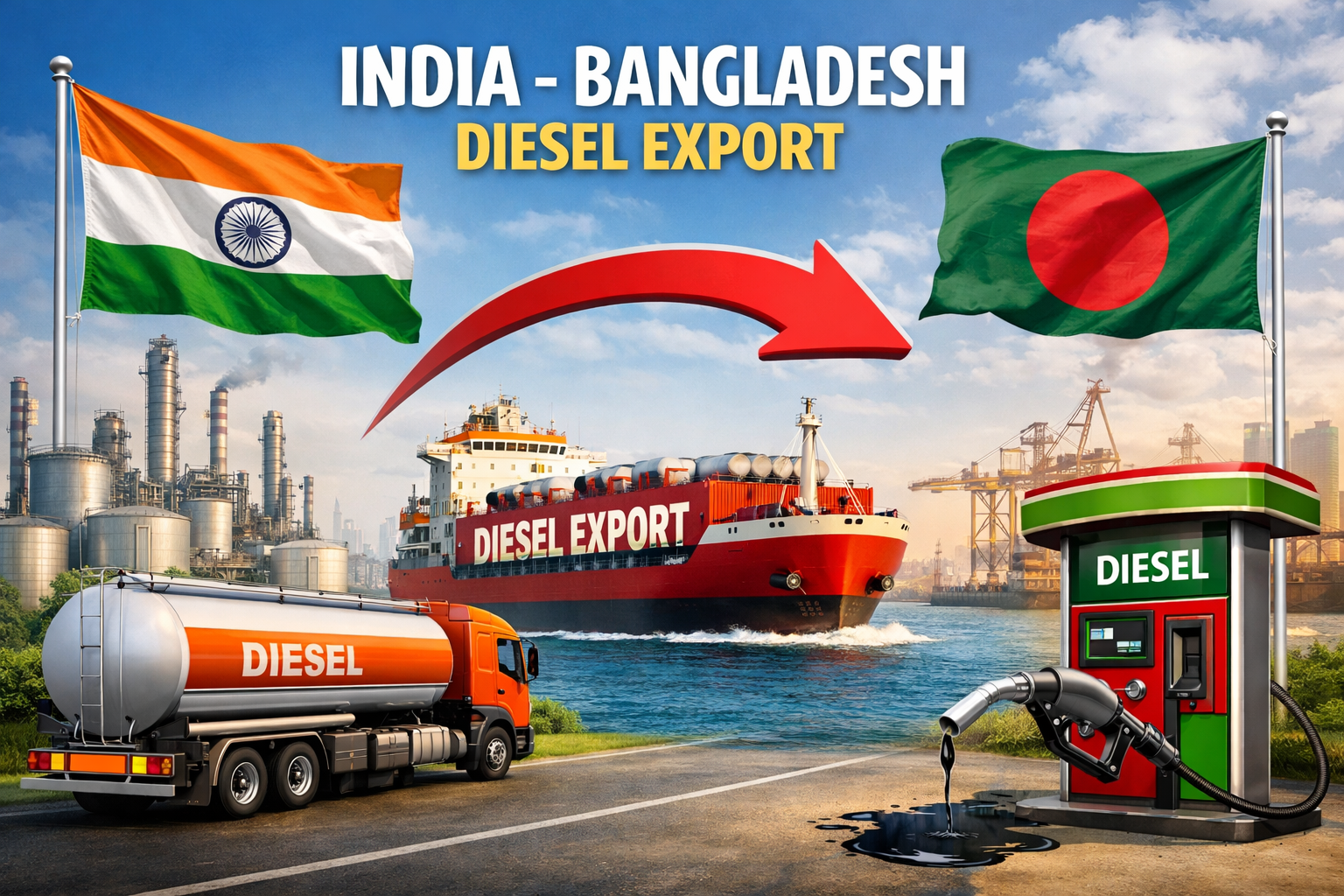
Now the latest claim is that India is undermining its own energy security by exporting 5,000 tonnes of Diesel to Bangladesh during global energy crunch, which is again, to be honest, laughable.
The facts tell a very different story, as they always do when compared to these online trolls. According to reports from March 2026, India supplies around 180,000 tonnes (1.8 lakh tonnes) of diesel annually to Bangladesh through the India-Bangladesh Friendship Pipeline.
Notably, this is a commercial trade agreement, India is not giving away anything for free to Bangladesh.
In the context of India’s overall fuel exports, this amounts to roughly 0.02% to 0.07% of total diesel exports. In other words, the quantity is extremely small. But first and foremost, these rumormongers should understand that India has no shortage of Petrol, Diesel, or even LPG. The fact that Essential Commodities Act has been invoked is a proactive step to ensure India’s energy security if the war in West Asia drags too long.
With India having alternate options of importing oil from Russia, Suez Canal, and its own Strategic Petroleum Reserves (Which are yet to be unlocked), India has control of its own energy needs. So the claim that India is sacrificing its own energy security because it supplied some Diesel to Bangladesh simply does not hold up under scrutiny.
The real issue here is geopolitics. After the political churn following the exit of Sheikh Hasina, Bangladesh’s political landscape has been in flux. Possible power centres have included figures like Muhammad Yunus, the Bangladesh Nationalist Party (BNP), and the hardline Jamaat-e-Islami Bangladesh.
From India’s perspective, the difference between these forces matters greatly. A Bangladesh drifting toward radical Islamist influence would not only affect regional stability, it would also worsen the already fragile situation of the Hindu minority living there. This is precisely why engagement between New Delhi and Dhaka should not be viewed as charity or appeasement. It is a strategic necessity.
India cannot afford to disengage from a crucial neighbour with which it shares geography, economic ties and security concerns. Bangladesh also shares a long border with five Indian states: West Bengal, Tripura, Assam, Meghalaya and Mizoram.
What happens in Bangladesh inevitably affects India’s internal security and social stability. Maintaining working relations with the government in Dhaka is also one of the few practical ways India can retain leverage and raise concerns about the safety and rights of Hindus in the country, and by extension protect India’s own security interests.
In geopolitics, influence comes from engagement, not isolation. It is easy to sit in our rooms and argue that India should simply boycott Bangladesh., but international relations do not work that way. Bangladesh is a reality India cannot turn away from, and managing that reality requires strategy, not slogans.