The narrative surrounding Pakistan’s role as a “peace broker” in West Asia has once again come under scrutiny—this time not merely for its diplomatic claims, but for the rapid unraveling of the very ceasefire it purportedly helped engineer. As hostilities simmer back to life and geopolitical tensions escalate, the sudden disappearance of an advanced American drone over the strategically vital Strait of Hormuz has added a fresh layer of intrigue, suspicion, and instability to an already volatile region.
Indian leftists and those opposing PM Modi led the chorus that Pakistan has secured a big geopolitics win by brokering the ceasefire in West Asia, but what ceasefire? Hundreds are getting killed, missiles and drones are flying around, and now US drones flying over Iran have gone missing. So what ceasefire?
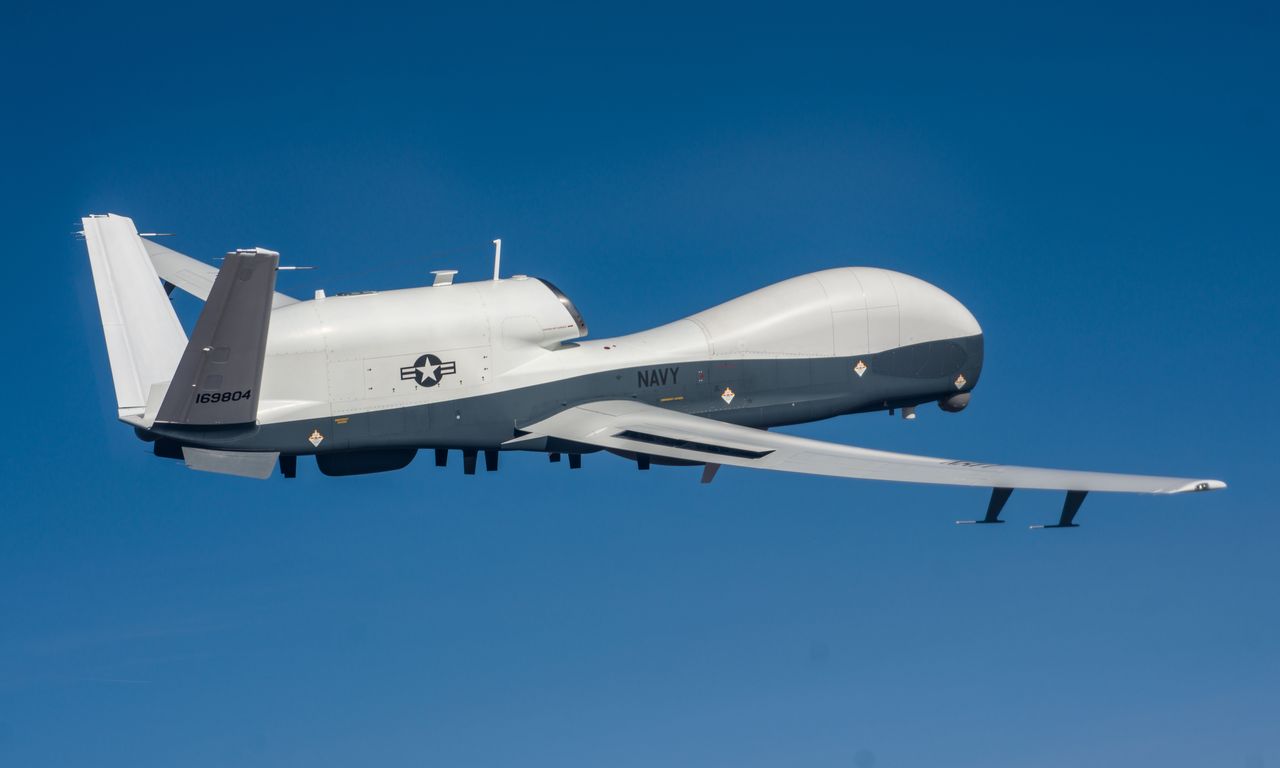
Just for your knowledge, a US Navy surveillance drone, MQ-4C Triton – America’s’ most expensive aircraft – disappeared over the Strait of Hormuz on April 10. This happened within 48 hours of the ceasefire agreement that was reportedly brokered by Pakistan. What is this ceasefire?
Pakistan has long sought to position itself as a mediator in conflicts across the Islamic world, trying to leverage its relationships with Gulf countries and its ties with neighbour Iran. In recent weeks, officials in Islamabad claimed quiet success in facilitating a temporary ceasefire between US-Israel and Iran, ironically, Pakistan passport says that the passport is not valid for visiting Israel. But they were negotiating with Israel, sure.
Against this backdrop, the reported disappearance of a $200-million American drone over the Strait of Hormuz is particularly significant. This narrow waterway, through which nearly a fifth of the world’s oil supply passes, is one of the most heavily monitored and militarized chokepoints on the planet. The United States has consistently maintained a robust surveillance presence in the area, primarily to monitor Iranian military activity and ensure the free flow of global energy supplies.
The drone in question—likely a high-altitude, long-endurance platform—represents some of the most sophisticated technology in the American arsenal. Its sudden vanishing raises immediate questions: Was it shot down? Did it suffer a technical malfunction? Or was it captured through electronic warfare capabilities increasingly attributed to Iran? While official confirmation remains elusive, the incident has already triggered speculation of covert escalation, particularly given the timing alongside the ceasefire’s collapse.
The incident highlights the dangerous interplay between failed diplomacy and military brinkmanship. A ceasefire that exists only on paper can sometimes be more destabilizing than open conflict, creating a false sense of security while underlying tensions continue to escalate unchecked. In such an environment, even a single incident—like the disappearance of a drone—can rapidly spiral into a larger confrontation.
Pakistan’s role in this unfolding drama, meanwhile, appears increasingly peripheral. Far from being a decisive broker of peace, it risks being seen as a bystander whose proclamations carry little weight on the ground. The gap between its diplomatic ambitions and its actual influence has rarely been more evident.
As the Strait of Hormuz remains on edge and global markets watch nervously, the broader lesson is clear, durable peace in West Asia cannot be manufactured through fragile, opaque arrangements or mediated by actors lacking both credibility and capacity. Without genuine commitment from the principal stakeholders—and without mechanisms to enforce compliance—such ceasefires are destined to collapse, often with consequences far more dangerous than the conflicts they aim to pause.