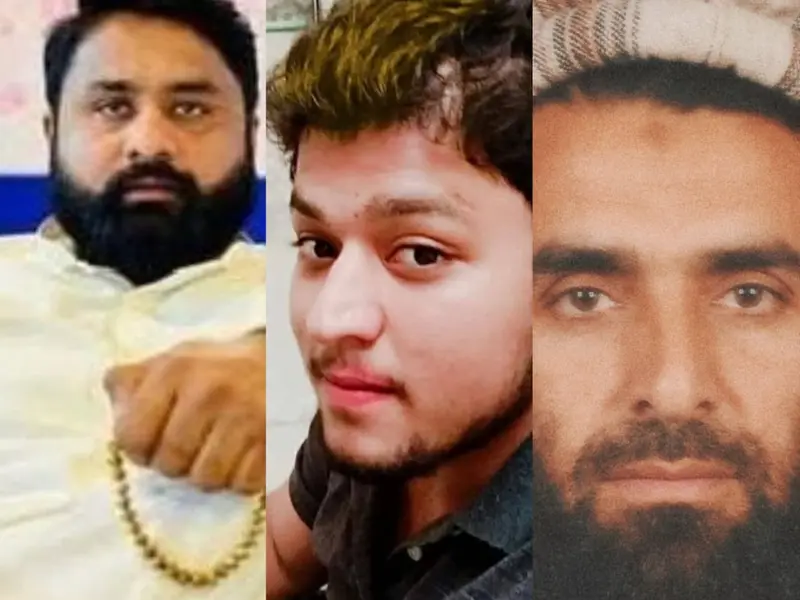
In what could be described as a grimly ironic case of “Dhurandhar-style” internal collapse, a commander of Lashkar-e-Taiba was reportedly killed by his own colleague in Pakistan. Chaudhary Bilal Arif Salafi, was attacked in a coordinated assault carried out by Ghazi Ubaidullah Khan, a long-time operative in the group, and Khan’s wife. The duo had attended the same Eid gathering at the Markaz Taiba complex before waiting for Salafi to emerge.
According to local reports, the commander was shot dead following an altercation with a fellow member. Khan shot Salafi while his wife repeatedly stabbed him as per reports. The terror group LeT is responsible for carrying out terror attacks on Indian soil including 26/11 Mumbai terror attack in 2008.
While details remain murky, early indications suggest the killing was not the result of an external operation but rather an internal dispute, possibly over resources, authority, or ideological differences. Incidents like these are not entirely unprecedented in terrorist ecosystems, where hierarchical tensions and competing loyalties frequently lead to violent outcomes.
The killing comes at a time when Pakistan continues to face scrutiny over the presence and activities of terror groups operating within its borders. Organizations like Lashkar-e-Taiba have long been accused by international observers of maintaining networks that extend beyond Pakistan, despite official denials and periodic crackdowns.
Such internal eliminations often reveal the fragility of these groups. While they project an image of discipline and ideological unity, the reality is far more fragmented. Personal ambitions, mistrust, and shifting allegiances can quickly erode whatever cohesion exists.
For Pakistan, incidents like these are also a reminder of the long-term consequences of allowing militant infrastructures to persist. What begins as strategic leverage can often spiral into uncontrollable internal violence.
In the end, the episode reflects a familiar pattern: groups built on violence often find themselves consumed by it. And when that violence turns inward, it exposes the cracks that propaganda usually tries to conceal.