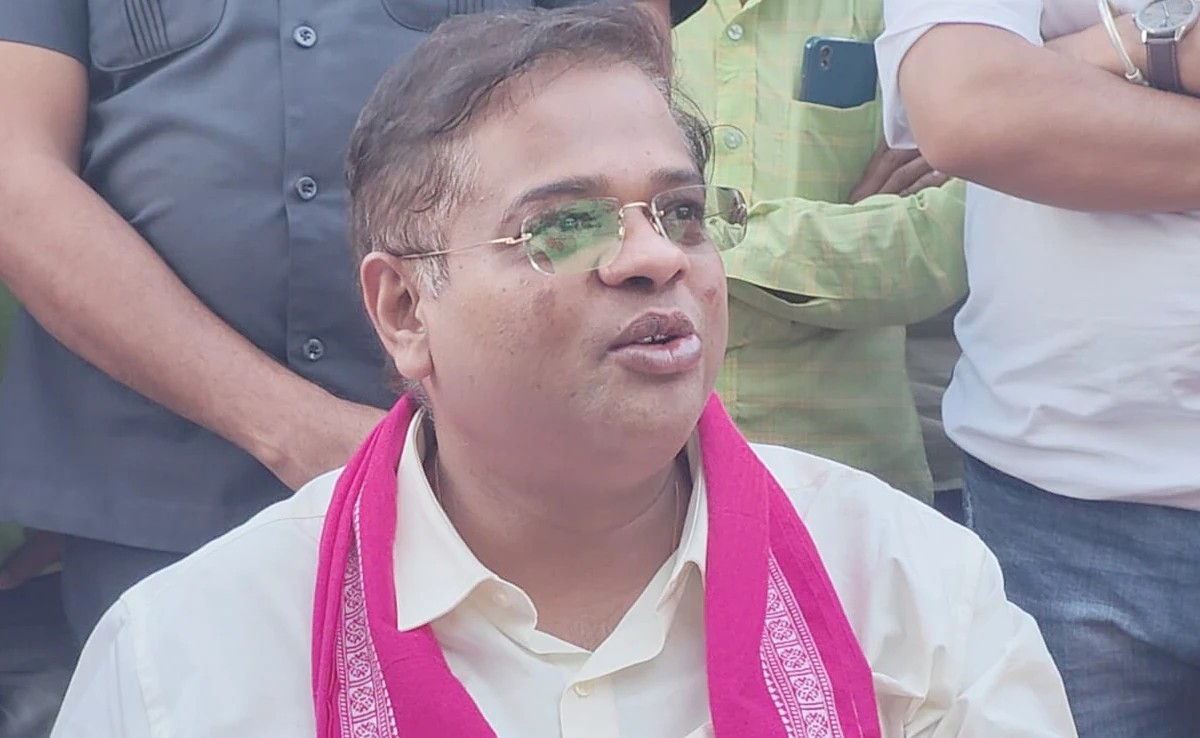
A major political and legal development has shaken Chhattisgarh politics after Amit Jogi, the son of former Chief Minister Ajit Jogi, was sentenced to life imprisonment by the Chhattisgarh High Court in connection with the 2003 murder of Ramavatar Jaggi, a senior leader of the Nationalist Congress Party. The verdict brings a dramatic turn in a case that has remained one of the most controversial political murder cases in the state.
The High Court convicted Amit Jogi of criminal conspiracy and murder, overturning his earlier acquittal by a trial court in 2007. The case relates to the killing of Ramavatar Jaggi, who was shot in Raipur on June 4, 2003, when Ajit Jogi was serving as the Chief Minister of Chhattisgarh. Jaggi succumbed to his injuries the following day, and the incident quickly became a high-profile political case that drew national attention.
A division bench led by Chief Justice Ramesh Sinha and Justice Arvind Kumar Verma ruled that the earlier acquittal of Amit Jogi was “palpably illegal and contrary to the evidence on record.” The court held that Jogi played a key role in the conspiracy behind Jaggi’s murder and described him as the “mastermind” and the driving force behind the crime.
The verdict followed a long legal battle involving multiple appeals and reviews. Initially, while several accused were convicted in 2007, Amit Jogi was acquitted due to lack of evidence. The case later went through a complex legal process after the Central Bureau of Investigation challenged the acquittal. Eventually, the Supreme Court allowed the matter to be reconsidered, paving the way for the High Court to re-examine the evidence and deliver the latest judgment.
The ruling has triggered strong reactions across the political spectrum. Supporters of the Jaggi family welcomed the judgment as long-awaited justice, stating that the verdict vindicates their two-decade struggle. On the other hand, Amit Jogi has maintained that he is innocent and is expected to challenge the High Court’s decision in the Supreme Court.
Politically, the conviction marks a major blow to the legacy of Ajit Jogi, who was Chhattisgarh’s first Chief Minister and one of the most influential figures in the state’s early political history. The case has once again revived debate about the intersection of politics, power, and criminal justice in India.
With the case likely to move to the Supreme Court, the legal battle may not yet be over. However, the High Court’s verdict represents a significant milestone in a case that has symbolized the long and complex pursuit of justice in Indian politics.