Iran and mass protests are no stranger to each other, neither are Iran and regime change through protests (engineered by outsiders or otherwise). Ayatollah Khameini, since becoming the Supreme leader of Iran has faced protests against his regime regularly. Sometimes, it even felt like that his regime is on shaky grounds due to the protests. However, Khameini and his regime continued to survive.
Ali Khameini is again facing a massive protest against his authoritarian regime. This time protests are raging even in places where they were not present previously or were practically non-existent. So will this be the end of Ayatollahs who came to power after the Islamic revolution in 1979 which displaced the Shah of Iran?
The history of protests during Ali Khameini regime
The first major protest Ali Khameini government faced was the 1999 students protest. After reformist paper Salam was shut down by the government, students at Tehran University staged a peaceful protest. However, the regime launched a brutal crackdown on the protest, sparking a large scale unrest. The protest spread to several cities across Iran as violence erupted in several places. The authorities officially recorded only 1 death while students said as many as 17 students were killed and hundreds injured in the police crackdown.
The next mass protest during Khameini regime was in 2003, again led by students. The protests were mainly against President Khatami and were demanding justice for the victims of 1999 protests. Ironically, 1999 protests were initiated by students who were supporters of Khatami. The protesters were also demanding free speech and democracy in Iran, but after few days, the protests were suppressed by security agencies using force.
Before Arab Spring, there was Persian Spring (albeit less successful), the protests that broke out in Iran in 2009, the most deadly protests thus far under Khameini regime. The protests broke out after incumbent President Mahmoud Ahmadinejad was re-elected to the post of President with a whopping 63% of the votes. The opposition said that there was votes manipulation and that the election was rigged. They claimed that the hardliner Ahmadinejad was manipulated in to power leading to him becoming President again. As per official records, 36 people were killed during the protests, though the opposition placed the number much higher. Ali Khameini termed the protests illegal and called Ahmadinejad win a divine assessment. He also supported the crackdown against protesters.
However, shortly after those protests, they got another wind following the Arab Spring protests but they were quickly suppressed by the Iranian regime. 2 people died and hundreds were arrested during that suppression.
Then in 2016, there was the pro-monarchist protest at the tomb of Cyrus the Great where thousands gathered demanding a return to the pre-Islamic era and a return to their roots but that protest quickly fizzled out.
Then came the protests starting in December 2017 and continuing till early 2018, which were a direct challenge to Khameini regime. The protests were against both economic policies and politics of Khameini regime with “Death to the Dictator” ringing in the air. The alleged dictator, Ali Khameini crushed these protests brutally, as 23 people were killed in the protests during the crackdown. And once again, Khameini regime managed to survive a round of protests. This was the most violent protest since the 2009 Presidential election protest.
“Death to Dictator” became even more mainstream during the next protest. The 2019-2020 protests against the Ayatollah regime. The protests started on the evening of 15 November but spread to several cities within hours, as videos of the protest circulated online. The protests were a result of the economic policies of the regime, and turned out to be the most bloody protests under Khameini regime. As many as 1,500 protesters were reportedly killed as the regime moved quickly to quash the protests. Despite widespread resentment, the rebellion was quickly suppressed.
Mahsa Amini protests
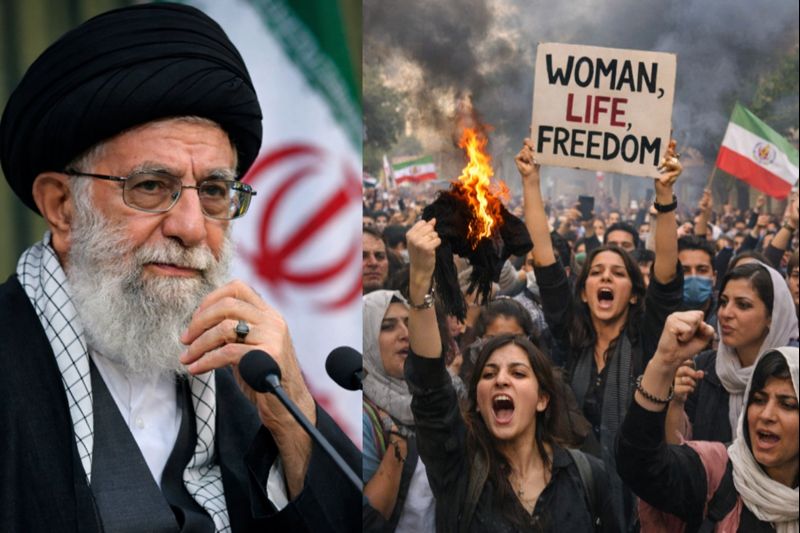
Then came the protests which were described as something the Iranian regime had never seen before. The protests after a 22-year-old woman Mahsa Amini was attacked for wearing her hijab improperly and violating strict Iranian laws about mandatory hijab.
She was beaten brutally and eventually lost her life in the hospital. Her treatment by Iranian authorities lit a spark and the entire country was on fire. There were massive protests around the country led by women who disobeyed the mandatory hijab. Over 550 people lost their lives in the protests along with dozens of minors. There were plenty of speculations about Khameini losing power at the time, but he still survived.
Why the current protests are different
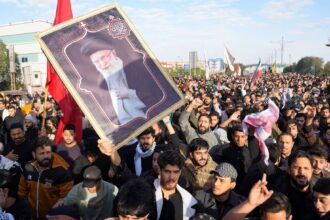
The current protests in Iran started as merchants protested over the economic policies of the regime and the collapse of Iranian economy. However, over the last 2 weeks, all the groups unhappy with the Ayatollah regime have joined hands to protest against the government.
The increase in prices of basic necessities like food and petrol fueled this protest. Soon, students and women also joined this protest. Women burning Khameini’s photos and lighting their cigarettes with it became a major symbol of these protests. All members of the society are now united in this protest against the regime.
The protests also spread across all Iranian provinces, the areas which hadn’t seen a protest under Khameini regime. This has increased pressure on the government. This is no longer a protest by one section of the society, everyone seems to have come together to replace the Ayatollah regime.
Hundreds have been reportedly killed by the government forces as they try to suppress the protests but till now, to no avail. In an unprecedented move, internet was cut off in Iran for the entire country but the videos of the protests and government response still made their way online.
Meanwhile, there is also America lurking. US Secretary of State Marco Rubio has openly said that they stand with the citizens of Iran.
The United States supports the brave people of Iran
— Marco Rubio (@marcorubio) January 10, 2026
US President Trump has been briefed on military options against Iran in light of the recent protests. Considering that Trump did send B-2 Bomber to Iran last year, it won’t be a surprise if he launches a major strike against the Persian country.
So with all these things going on, will Ayatollahs retain their control on the Persian country, or are we seeing another coup in the strategic country with huge oil reserves?