
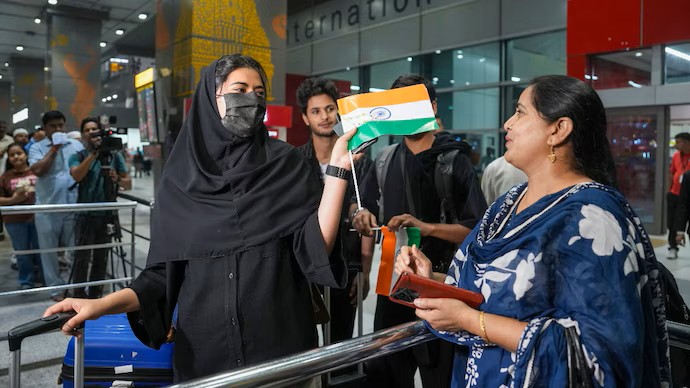
During the past decade, India has rescued its citizens from several war-torn areas, whether it is Yemen or Ukraine or Sudan or Iran or Israel, Indian citizens have been rescued by the Modi Government. Now the same situation has arisen after the Middle East has gone up in flames. US-Israel led alliance hit targets in Iran, resulting in Iran attacking US bases and even some civilian targets in the Gulf Countries.
These attacks have left several Indians stranded, some tourists to Gulf Countries, but mostly students who had gone to Gulf or to Iran to study. Whenever such conflicts happen, urgent appeals flood social media urging the Government of India to launch evacuation missions, media amplifies emotional stories, families demand immediate action, and hashtags trend nationwide. These appeals ignore that the Indian government responds with remarkable efficiency in every such case, launches complex rescue operations under dangerous conditions, and always brings its citizens home.
But the question is, should the Indian citizens living abroad leave it all up to the government when they have been told several times by embassies to leave the country? Let’s take the example of Iran. India had issued 3 warnings to its citizens to leave Iran at the earliest, the last one less than a week before the latest attack by Israel. Did anyone listen?
Of course India will not leave those citizens alone and will try to rescue them. But think of the danger and unpredictability those rescue teams will face as they try to rescue those who refused to leave when the embassy told them to leave. Maybe, just maybe, listen to embassy’s advisories while living abroad.
India has built a strong reputation for rescuing its citizens from war zones. Operations like Operation Ganga during the Russia–Ukraine war, Operation Kaveri amid fighting in Sudan, and Operation Ajay during the Israel–Hamas conflict reflect the state’s willingness to protect its people abroad. In many instances, India has even evacuated foreign nationals, enhancing its global reputation as a responsible power. Maybe all these operations have given confidence to Indian citizens that “India to bacha hi lega”, but brother, many people jeopardise thier lives to rescue you during those missions, why not leave a week early when you are told to do so?
Embassy advisories are not to be ignored
Indian embassies routinely issue travel advisories when tensions rise in host countries. These advisories are not symbolic gestures, they are based on diplomatic intelligence and real-time assessments. When war appears imminent, embassies advise students and workers to leave temporarily or avoid non-essential travel.
In the case of Ukraine, advisories were issued weeks before hostilities escalated dramatically. In Sudan and Israel, similar warnings preceded major flare-ups. Yet, many Indian nationals chose to remain—often citing financial constraints, academic schedules, work commitments, or personal judgments about risk.
As the old adage goes, “Jaan hai to jahan hai”, so when the embassy issues an advisory to Indians to leave the country at the earliest, do that. Asking Indian government for help after war starts is a problem when they had already advised you to leave the country susceptible to war.
Yes, India will not abandon any of its citizens (Yes, many countries do), but maybe, Indians living abroad should be more cautious of their surroundings and pay more attention to warnings from their local embassies.
Yes Indian government is dutybound to help every citizen, but yes, every Indian citizen has a duty as well to not put them in such difficult situations where they have to fly Army aircrafts in war-torn regions.
Listening to embassy warnings by Indian citizens abroad can ease a lot of pressure on Indian Armed Forces, and obviously the Indian government.

