
Environmental protection in India has often been associated with loud protests and political campaigns. Movements such as Save Aravalli and the Narmada Bachao Andolan brought attention to genuine ecological concerns, but over time many of these issues were increasingly used for political messaging. Rallies, slogans, and confrontations created visibility, yet they rarely resulted in long-term conservation solutions.
In contrast, India’s recent environmental approach has focused less on protest and more on performance. Conservation today is being driven through policies, institutions, and measurable outcomes. This shift is most clearly visible in India’s growing commitment to wetland protection.
A major step forward in wetland conservation
Just before World Wetlands Day 2026, India added two new sites to the Ramsar list of Wetlands of International Importance—Patna Bird Sanctuary in Etah, Uttar Pradesh, and Chhari-Dhand in Kutch, Gujarat. These additions reflect years of ecological assessment and coordinated efforts between state governments and the Centre.
Patna Bird Sanctuary is an important habitat for many resident and migratory bird species in northern India. Chhari-Dhand, located in the arid region of Kutch, supports not only migratory birds but also rare desert wildlife such as chinkara, wolves, caracal, desert cats, and desert foxes. Recognising such diverse wetlands shows that conservation in India is no longer limited to forests alone, but includes rivers, lakes, marshes, and desert ecosystems.
Why wetlands are important
Wetlands play a crucial role in maintaining ecological balance. They help control floods, recharge groundwater, store carbon, and support agriculture and fisheries. For wildlife, wetlands are vital breeding and feeding grounds, especially for migratory birds that travel thousands of kilometres each year.
India’s wetland policy now treats these ecosystems as essential natural assets. Wetlands are being linked to climate resilience, water security, and local livelihoods. This marks a clear change from earlier thinking, where conservation was often seen as an obstacle to development rather than a support system for it.
Expanding India’s Ramsar network
India’s progress in wetland conservation is clear from the numbers. In 2014, India had only 26 Ramsar sites. By 2025, this number had increased to 98, an expansion of more than 276 percent.
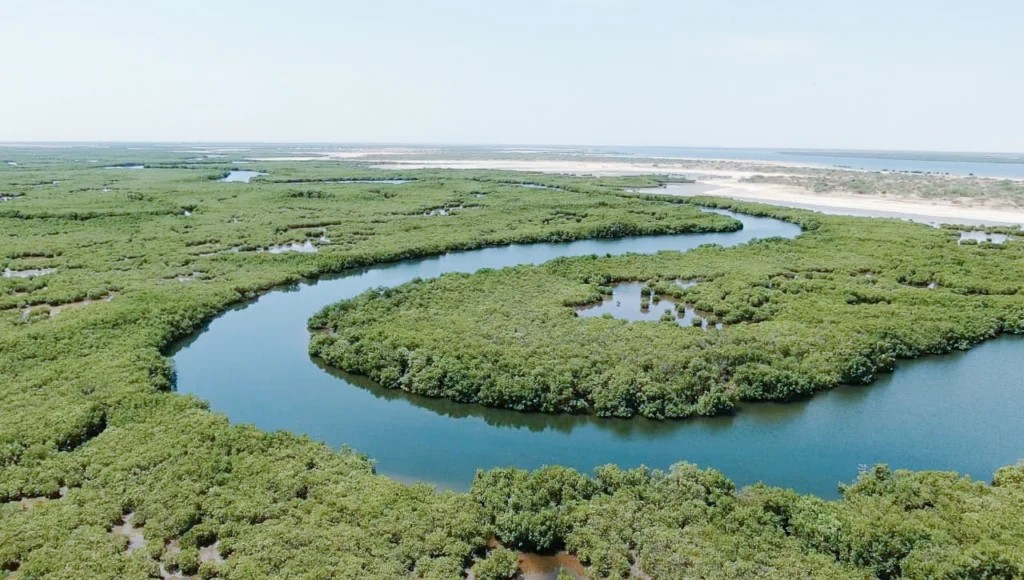
This growth has taken place across the country. Coastal wetlands, high-altitude lakes, inland floodplains, mangroves, and desert wetlands have all been included. The wide geographical spread ensures better ecological connectivity and strengthens India’s position as a responsible environmental leader at the global level.
Conservation beyond wetlands
India’s environmental efforts go far beyond wetlands. According to the India State of Forest Report 2023, the country’s forest and tree cover now extends to 827,357 square kilometres, covering 25.17 percent of India’s total land area. Since 2021, forest cover has increased by 156 square kilometres, while tree cover has grown by 1,289 square kilometres.
These gains are significant at a time when many countries are struggling to prevent forest loss. India has achieved this through a mix of afforestation programmes, community participation, technology-based monitoring, and stronger enforcement of forest laws.
India’s forests also play a key role in climate action. They absorb around 30.43 billion tonnes of carbon dioxide equivalent, helping the country meet its commitments under the Paris Agreement and reducing the impact of climate change.
Strengthening protected areas and wildlife conservation
Protected areas in India have expanded steadily. The country now has 1,022 protected areas covering 178,640 square kilometres, compared to 745 protected areas earlier. These areas protect vital habitats for species such as tigers, elephants, and many other plants and animals.
One of the biggest success stories is tiger conservation. India is now home to more than 3,680 tigers, which is over 75 percent of the world’s wild tiger population. This achievement reflects sustained efforts in habitat protection, anti-poaching measures, and community involvement.
From protest to policy-driven conservation
What sets India’s current environmental approach apart is its strong institutional foundation. Conservation is being guided by scientific data, long-term planning, and cooperation between governments. Instead of confrontations and one-time protests, the focus is on steady progress and practical solutions.
Public awareness and citizen participation remain important, but the emphasis has shifted towards constructive engagement and evidence-based decision-making.
Looking ahead
As environmental pressures grow worldwide, India’s experience offers an important lesson. Environmental protection does not have to slow development. With the right policies and institutions, it can strengthen economic growth and social well-being.
By expanding wetlands, forests, and protected areas, India is building a strong foundation for sustainable development. Continued focus on science, local communities, and transparent governance will be key to maintaining this progress and ensuring long-term ecological security.

